The warehouse route atlas / Independent field notes

Follow the food, understand the warehouse

A pallet never moves alone. Its identity, temperature history and next destination must move with it. Follow the handoffs that make food distribution work.

Trace the warehouse flow
04 operational chaptersFrom receipt to dispatchBuilt around exceptions, not hype

Start with the handoff

Trace the next handoff

A smart food warehouse combines physical equipment with a shared record of what each load is, where it belongs and whether it is ready to move. Automation helps only when the next station receives both the load and trustworthy information.

Our route follows a typical chilled-food pallet. Every site has different constraints, but the operating questions remain familiar: Is this the right stock? Is it in an acceptable condition? Can the next location safely receive it?

  1. Receive and identify
  2. Store and monitor
  3. Allocate and release
  4. Transfer and verify

Receipt → storage location

Find a place for every pallet

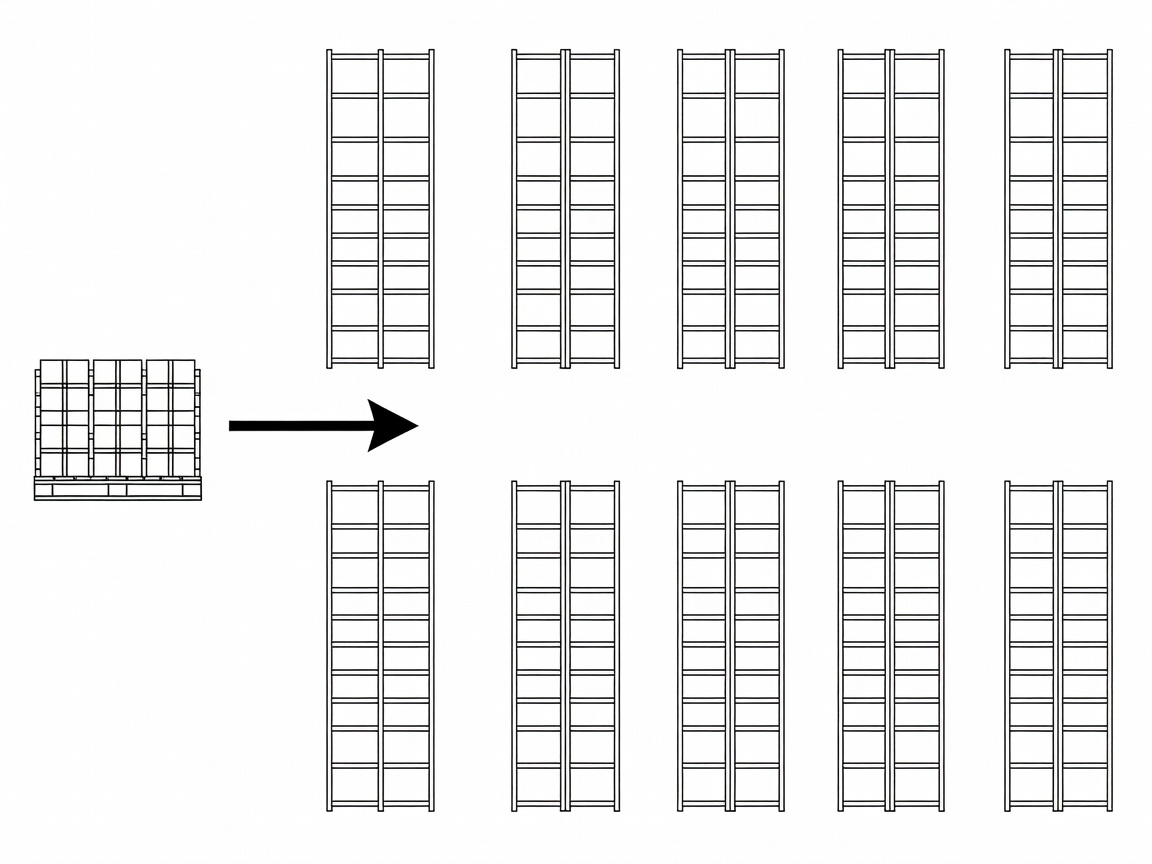
Before a crane or shuttle puts stock away, the warehouse must verify dimensions, weight, temperature zone and inventory status. A vacant slot is not automatically a suitable slot.

Flat warehouse diagram showing a receiving pallet assigned to a compatible rack locationLoad identity + location

Where each load belongs

Trace the difference between warehouse management decisions and equipment execution. See why clearance checks, inventory reconciliation and recovery access matter as much as storage density.

Enter the storage chapter →
Stored stock → condition record

Keep the cold chain visible

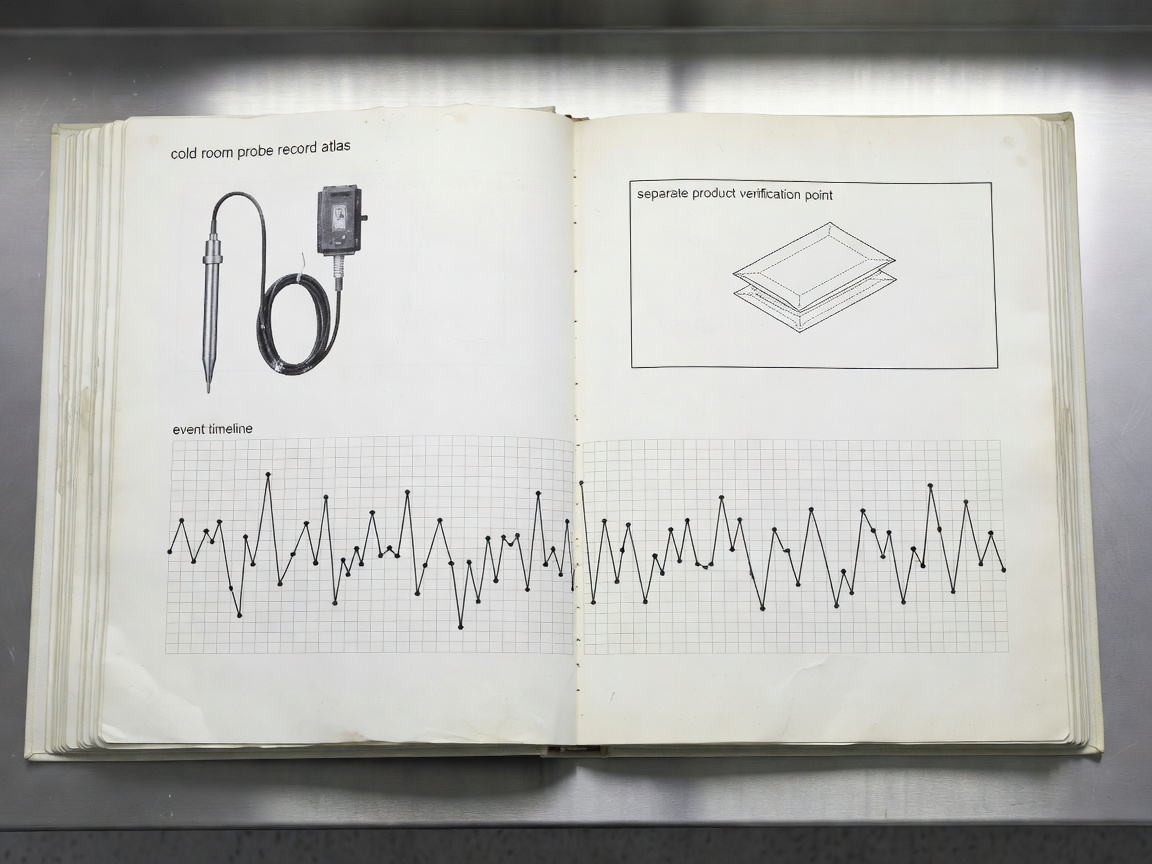
A room sensor describes its surroundings, not every product inside them. Link time-stamped readings, calibrated instruments and a clear response plan before treating an alarm as a decision.

Flat illustration of a cold-room probe linked to a time-stamped temperature event recordCondition + evidence

Cold is a continuous record

Follow a temperature exception from detection to quality review. Distinguish air readings from product measurements, and understand why a missing reading is not proof of a safe interval.

Read the cold-chain chapter →

The rule between every chapter

No confirmed handoff, no trusted movement.

A task can be issued before it is executed. Stock can arrive before its record updates. Good warehouse design makes those gaps visible, gives them owners and stops unresolved exceptions from quietly becoming the next team’s problem.

Available inventory → next destination

Choose the next destination

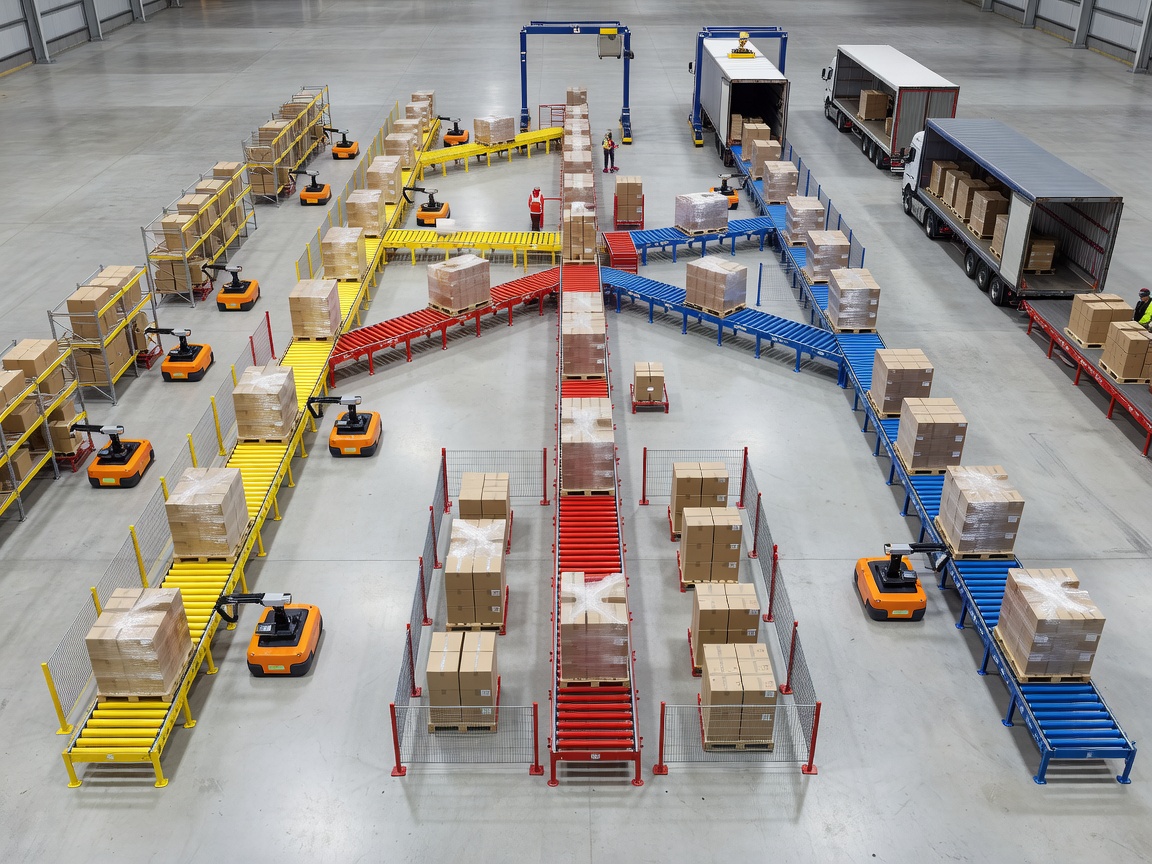
The oldest stock is not always the right stock. Allocation must respect release status, expiry, customer requirements, destination capacity and the time left before dispatch.

Flat routing junction showing inventory directed toward picking, quality hold or dispatchEligibility + priority

The logic behind the next move

Explore first-expired, first-out allocation, replenishment and congestion control. Follow what happens when a promising route becomes blocked or a customer changes the order.

Follow the routing chapter →

Released task → physical transfer

Move with mechanical care

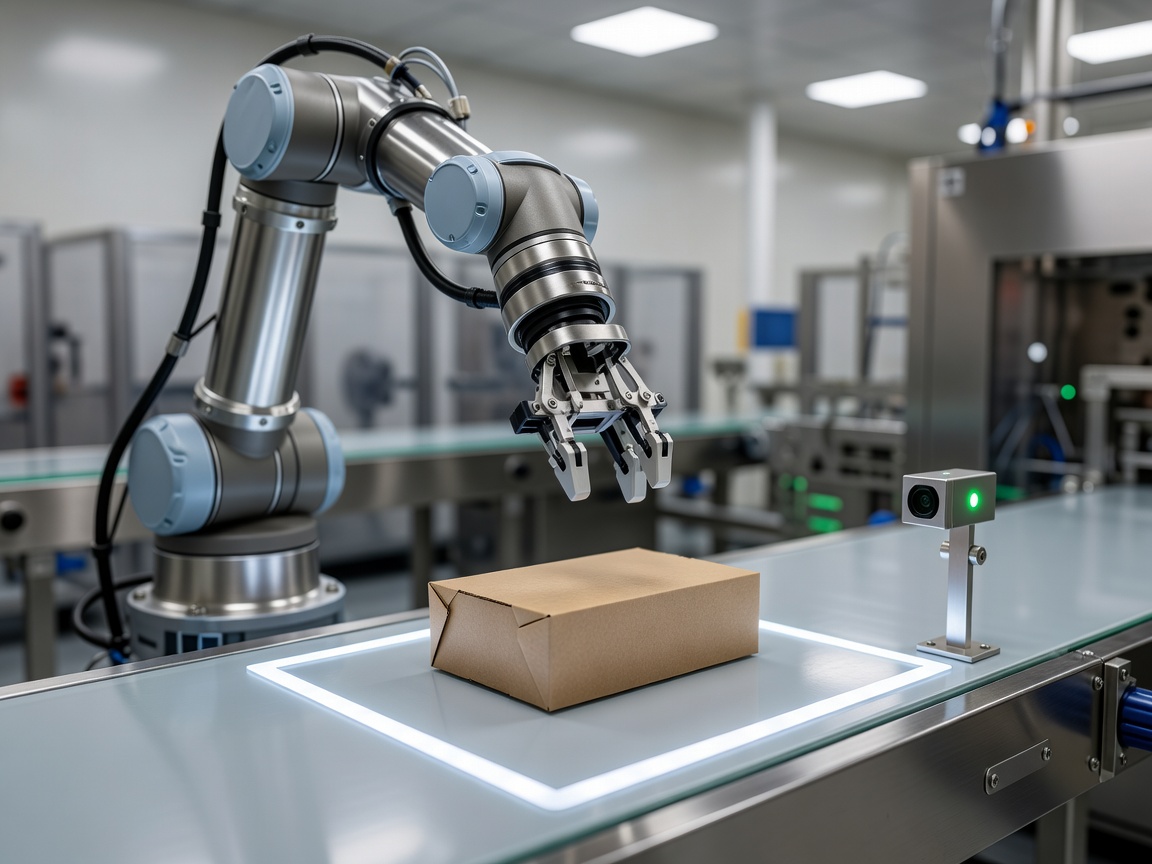
A robot needs a predictable load, a safe working envelope and a receiving point that is actually ready. The final scan matters just as much as the first successful grip.

Flat robotic gripper transferring a food carton to a checked receiving conveyorSafe motion + confirmation

Machines at the handoff

Compare fixed robot cells, mobile transport and case-handling systems. Find the questions to ask about deformable packaging, cold-room conditions and supervised recovery.

Visit the handling chapter →

When the route breaks

Work through the exceptions

Does an alarm mean the food must be discarded? Can FEFO override a quality hold? Who owns a pallet when its physical location and digital record disagree?

Start with nine practical questions about system boundaries, traceability, temperature evidence and safe recovery.

Open the warehouse FAQ →

People behind the route

Meet the route editors

Wondergadgetjolt.sbs is an independent explanatory publication for warehouse operators, food logistics teams and technically curious readers. We explain operating principles without ranking vendors or promising universal savings.